Don’t get caught infringing copyright
I recently received an email from a company called PicRights with the subject header: ‘Image Licence Enquiry for CartoonStock Ltd’. It said:
As an introduction, PicRights provides copyright compliance services to third-party content owners, including CartoonStock Ltd. For further information, please visit https://www.cartoonstock.com/faq.asp#questionTwentyOne
We are contacting you on behalf of CartoonStock Ltd to obtain compensation for the unauthorised past-usage of their imagery. PicRights has detected that CartoonStock Ltd imagery has been displayed on your website or social media. However, our client has been unable to identify a valid licence covering this usage.
The email went on to declare that I owed £120, had two weeks to pay and needed to remove the image from one of my blogs.
This was followed by instructions on payment to a Swiss bank account.
“Is this spam?” was my first thought. The email address seemed genuine and the cartoon shown in the email as evidence was indeed one I’d used – back in 2015.
I searched online to see what others had to say. US and UK posts on Reddit ranged from people claiming they’d ignored the emails completely to others attempting to negotiate (one person professing: ‘After 10 months of ignoring them I finally settled today. What started as a £3,000 fine resulted in £187 which I paid today to make them go away.’) to others advising people to hire a lawyer.
I couldn’t access my CartoonStock account. I also couldn’t find evidence of a licence or receipt by email, though I did have others from CartoonStock. Luckily, I still had a stack of old papers in a cupboard and managed to find a print out. “Aha”, I thought. “I can prove them wrong; I have a licence after all!”
That smugness disappeared when they emailed back to say the licence I’d presented was the wrong one.
Our client has confirmed that the licence acquired covered only Non-Commercial Forum/Social Media usage and was not valid for commercial website use.
Oh.
Why is fining creatives for copyright infringement becoming so common?
The answer lies in AI scraping – this is about crawling sites and identifying unauthorised image use. A whole load of copyright agencies, like PicRights, Copyright Agent and Pixsy, has popped up in recent years Big Brother-style.
PicRights acts as an enforcement agent for its clients, using its own image recognition technology. Any match found is reported to the client to verify whether the image is licensed or not. If it’s not, emails and letters are sent demanding payment. This is known as ‘copyright trolling’.
What should you not do if receiving an email from PicRights?
Don’t remove the image and think everything’s now sorted.
What should you do if receiving an email from PicRights?
- Check that the email from PicRights is legit and not a scam.
- Check any other sites you may have posted on , e.g., Medium, where your illegally used images may also appear.
- Check any posts added by a freelancer/blogger/supplier you’ve hired to write something for you as the buck stops with you.
- Check your website and see if there are any other images that need taking down.
Is it worth hiring a lawyer if you’ve infringed copyright?
Do you feel PicRights is charging an unreasonably high fee? The choice is yours but take care: if you hire a lawyer and lose your case, you may have to pay PicRights’ legal fees as well as your own plus any damages awarded by the court such as copyright infringement.
How to avoid infringing image copyright in the first place
Only use free images where permission is explicitly granted for use, such as Pexels, Pixabay or Unsplash. The latter is a go-to for me as I find there’s a more creative choice: owned by Getty Images, Unsplash is a curated library of over 5 million high-quality, free-to-use photos by photographers all over the world. However, it is harder to find good creative free photos on there since they started their business model: Unsplash+.
Or pay for the images you download – it needn’t be spenny. Use a well-known stock image library for royalty-free or licensed images such as iStock (also owned by Getty) and Adobe Stock. You can pay-as-you-go if you just need the occasional image (prices start from around the equivalent of two take-away coffees) or buy credit packs to download files as needed. iStock choose three photos each week from the Signature library which you can download free of charge … along with lots of other people.
Always make sure you have clear written permission from the copyright owner or their licensee and keep all correspondence and receipts in a paper trail. Another tip is to create a content management system to keep track of how and where you’ve used images.
What did I do?
I paid and I took the image down.
The fine wasn’t much and, of course, images should be paid for where required.
However, there’s been a lot of talk about how harassing these copyright enforcement agencies can be – and how consideration really should be given to sole traders versus big companies who can afford to cough up.
Photo by Mark König on Unsplash

Caroline Gibson
I’ve worked for some of London’s leading advertising, design, branding and digital agencies and my clients include international names, UK FTSE-100 companies and local businesses. Yes, I can write a great press ad, brochure or website for you – but I also understand what makes…
View profile →
 Sarah Clark
 Sarah Townsend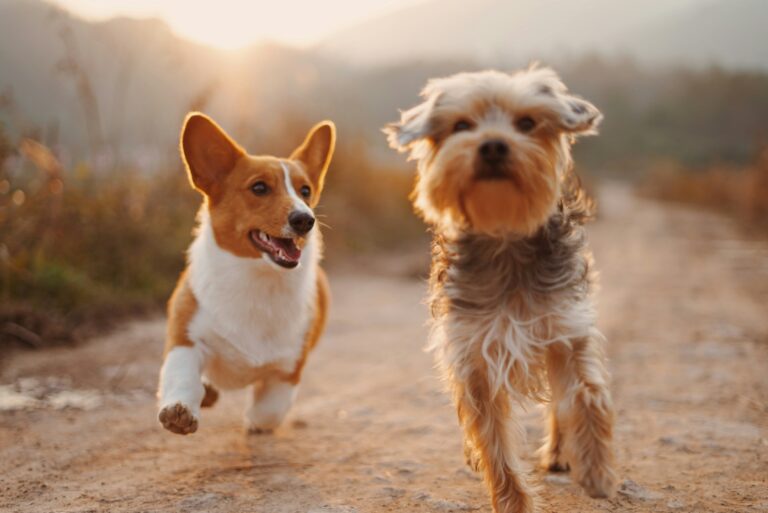
 Leesa Morris
What do you think?
No comments yet.