01 Why did you choose a career in copywriting, and how did you get into it?
I have always loved the written word and used to write for the school magazine and university newspaper. My first job was with Penguin Books – I was the first person to join from a university other than Oxford or Cambridge! I was working in the department ‘Editorial 2’ and learned about copy editing by working on manuscripts and liaising with the authors – this was ideal training. I then worked for several well-known publishers, including Heinemann and Macmillan, but diverted into sales and marketing for several years. I was using my writing skills to produce marketing copy, but I wanted to use them more! So I started my own business in 2009 and have focused more and more on working with various authors, providing editorial advice, copy editing and proofreading support on their books. I also write copy for charitable organisations like the local amdram theatre and Midsomer Walking Tours of Thame.
02 What work are you most proud of, and what makes it stand out for you?
A couple of years ago, I worked on the memoirs of a brilliant neurosurgeon who had undertaken ground-breaking operations during his outstanding career. I had to deal with many medical terms that were unfamiliar to me, but I managed, with the author’s help, to work my way through them! The memoirs were a great success and the neurosurgeon was delighted with the outcome. I was only too pleased to have worked with such an eminent man who had achieved so much and helped to save lives, sometimes when all seemed lost.
03 What piece of copy do you wish you’d written?
Any article by the Telegraph campaigning journalist, Allison Pearson. She is a brilliant writer who excels in getting to the heart of whatever subject she is writing about, whether it’s the NHS, non-hate crimes, or the Southport massacres. The way she involves the reader and connects with her audience at an emotional level is very skilful.
04 What principles guide the way you work with clients and approach your craft?
Ensure you build a strong relationship with the client from the outset – you may be working with them for a considerable period of time. You must be on the same page, working towards an agreed objective, but don’t be afraid to raise concerns when necessary – they are paying you for your expertise after all. And be professional at all times. I view each project as a new challenge to be solved, deploying all my knowledge and skills so that the resulting articles or books are the best they can be.
05 Do you have any favourite copywriting hacks or techniques you’d care to share?
Do your research thoroughly (online mostly) which will give you a way into what you’re going to write, especially if it’s a subject you aren’t familiar with. When you’ve drafted something, always give it a rest and review again the next day. I’m always surprised by the number of issues or errors that I pick up second or – occasionally – third time round.
06 How has AI affected your work as a copywriter, and what do you think about its role in the industry going forward?
AI has not affected my work as a copywriter at all, as I am not a fan of it. While it might be well-suited to being applied to technical or data analytical subjects, it is no match for the creativity and authenticity of the human brain. It has a role, but I think it should be deployed with caution, so that the human connection and involvement with a subject is never forfeited, by accident or design.
07 What do you do when you hit a bit of writer’s block?
Take a break, have a cup of tea, or turn your attention to something totally different (a domestic chore even, if you work from home) and come back to the task later with your mind refreshed, coming up with new approaches that eluded you before.
08 Any copywriting pet hates?
I think punctuation in all its forms is very important (yes, the much maligned semi-colon too) as it helps to reinforce meaning and establish breaks in the narrative, like taking a short breath or a deeper breath. These days there seems to be a tendency to minimise the role of punctuation (influenced by text speak, of course), which leads to sentences you have to read twice or more in order to extract the meaning and understand where the emphasis should lie. Punctuation creates a sense of drama too.
09 What’s the best piece of career advice you’ve been given?
I have learned this, rather than being told it: if you’re in a dead-end job or you’re not enthusiastic about its prospects, don’t put up with it and make yourself miserable. Instead, make a change and follow your instincts or your dreams. It could be the best decision you’ve ever made!
10 What advice would you give to people starting out on a copywriting career?
You need to decide if you want to work for a company or an agency, or whether you’re going to take the freelance path. It takes courage to go freelance, and the income might not follow as soon as you’d like, so maybe take a salaried job to begin with before branching out on our own.
11 How does ProCopywriters membership support your goals?
It is the premier organisation for commercial copywriters and, although I don’t attend events such as CopyCon, it is there for us, providing a newsletter, webinars and events, and marketing support via the online listings. I feel that, if I had a problem, I could talk to any of the members or to the office team and would receive helpful guidance.
12 Where can people find out more about you?
On my website www.resultsdepartment.co.uk, or on LinkedIn, linkedin.com/helenjohns, or at Enterprise Oxfordshire Business, who helped with advice, and uploaded a case study about me here https://enterpriseoxfordshirebusiness.com/wp-content/uploads/2026/02/Results-Department-Editorial-Services-Case-Study.pdf
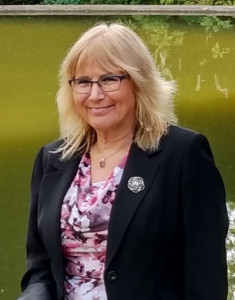
Helen Johns
Hello! I’m an expert in the written word, providing editorial services to authors, publishers and businesses, helping them create polished, impactful content that connects with their audiences and achieves their goals. My extensive experience includes working on books, academic articles, business newsletters, blogs and personal…
View profile →
 Katherine Wildman
 Julian Abel
 Fran Morgan
What do you think?
1 comment
Practical and no-fluff, my favourite kind of post.